
• Skip to main content
  • Skip to header right navigation
  • Skip to after header navigation
  • Skip to site footer

Due to the lapse in federal government funding, NASA is not updating this website.

NASA classic meatball logo with the text Goddard Engineering and Technology Directorate.

Goddard Engineering and Technology Directorate

  • About ETD
    • About ETD
    • Key Personnel
    • Images
    • Multimedia
    • Featured Stories
  • Capabilities
    • ETD Capabilities
    • Capabilities Listing
    • Facilities Listing
    • core Flight System
    • Flight Dynamics Facility
    • Integrated Design Center
    • In-Space Servicing, Assembly, and Manufacturing
  • Partnerships
  • Our Work
  • Divisions
    • Wallops Engineering Office (WEO)
      • WEO Branches
    • Mechanical Systems Division (MSD)
      • MSD Branches
    • Instrument Systems & Technology Division (ISTD)
      • ISTD Branches
    • Electrical Engineering Division (EED)
      • EED Branches
    • Software Engineering Division (SED)
      • SED Branches
    • Mission Engineering & System Analysis (MESA)
      • MESA Branches
  • Careers
    • Internships

  • Our Work
  • Our Work Home
  • Contact ETD

Near Earth Orbit Network (NEON)
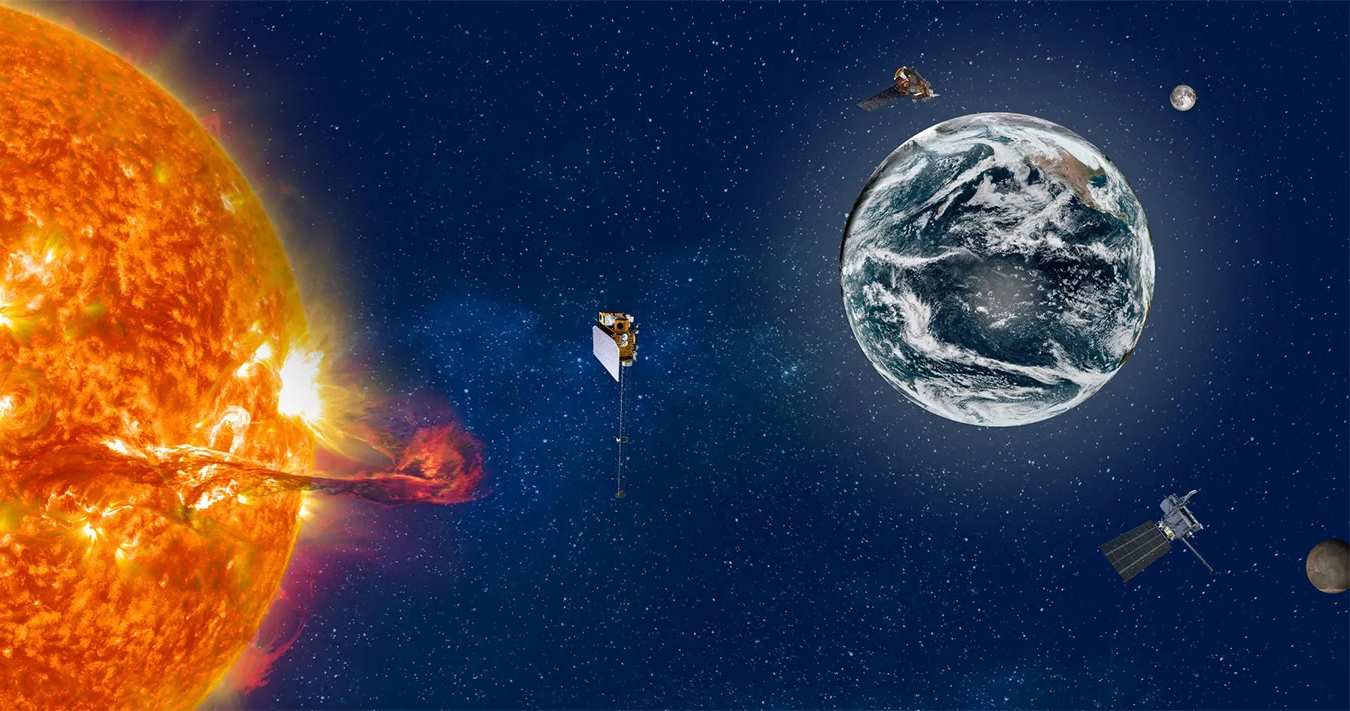
Illustration of the Sun and Earth, with multiple spacecrafts in space.
Illustration of the Sun and Earth, with multiple spacecrafts in space. Credit NOAA

NOAA’s Near Earth Orbit Network (NEON) Program will develop future low-Earth orbit (LEO) environmental satellites. Low and medium Earth observations are critical for weather forecasting, environmental observation, and public safety. NEON sets the stage for NOAA to manage future polar and other low Earth and medium Earth orbit satellite observations as loosely coupled projects.

Enhancing Partnerships

The Low Earth Orbit (LEO) satellites from NOAA, NASA and international partners  contribute to more than a half-century of unbroken climate data records. LEO satellites are  the backbone of global long-range weather forecasting models, supplying more than 80 percent of the numerical weather prediction model data used for 3 to 7 day forecasts. These satellites detect and monitor hazards such as fires, droughts, floods, poor air quality, coral bleaching events, unhealthy coastal waters and others. NOAA and its interagency and international partners use LEO data every day to meet ongoing mission needs. The NEON program will usher in a new paradigm for NOAA to continue to provide for these environmental measurements to support a wide variety of atmospheric, terrestrial, marine and polar observations. Data uses include the numerical weather prediction models, fire and flood models, atmospheric chemistry observations and multiple land imagery products that have been crucial pieces of the NOAA strategic goals to build both a “Weather Ready Nation.”

Collaboration Delivers the Mission 

NEON is a collaborative mission between NOAA and NASA. NASA will manage the development of the satellites and launch them for NOAA, which will operate them and deliver data to users worldwide. NOAA and NASA will work with commercial partners to design and build the NEON spacecraft and instruments…

Learn More

ABOUT ETD

The Engineering and Technology Directorate at NASA Goddard designs, builds, and develops space flight technology for American leadership in space. The technical workforce brings this expertise to NASA’s portfolio and supports mission partnerships across the whole of government and industry.

About ETD’s Mission

NASA.gov

NASA Goddard

News & Events

NASA+

EXPLORE ETD

Key Personnel

Featured Stories

Internships

EMPLOYEES

ETD Internal

ETD Town Hall

FOLLOW

  • X
  • Facebook
  • Flickr
  • YouTube
  • Instagram

More NASA Social Accounts


NASA classic meatball logo.

Page Last Updated: Jul 2, 2025

Page Editor: ETD Web Team

Responsible NASA Official: Hector Dietsch

Sitemap

FOIA

Privacy

Accessibility

Contact ETD