

Wallops Engineering
The Wallops Engineering Office (WEO) provides multidisciplinary engineering capabilities required for the development of scientific payloads and vehicle systems at the Wallops Flight Facility (WFF). The office provides an interface for Wallops requirements to the Engineering and Technology Directorate (ETD) for the conception, analysis, design, development, validation, and implementation for the WFF missions, projects, and technology initiatives. The office actively collaborates with other NASA centers, government agencies, national laboratories, universities, and industry partners to deliver innovative solutions. The team participates in technology transfer initiatives, helping to commercialize developments and share expertise across the aerospace community, supporting both government and commercial space endeavors.

Mechanical Engineering
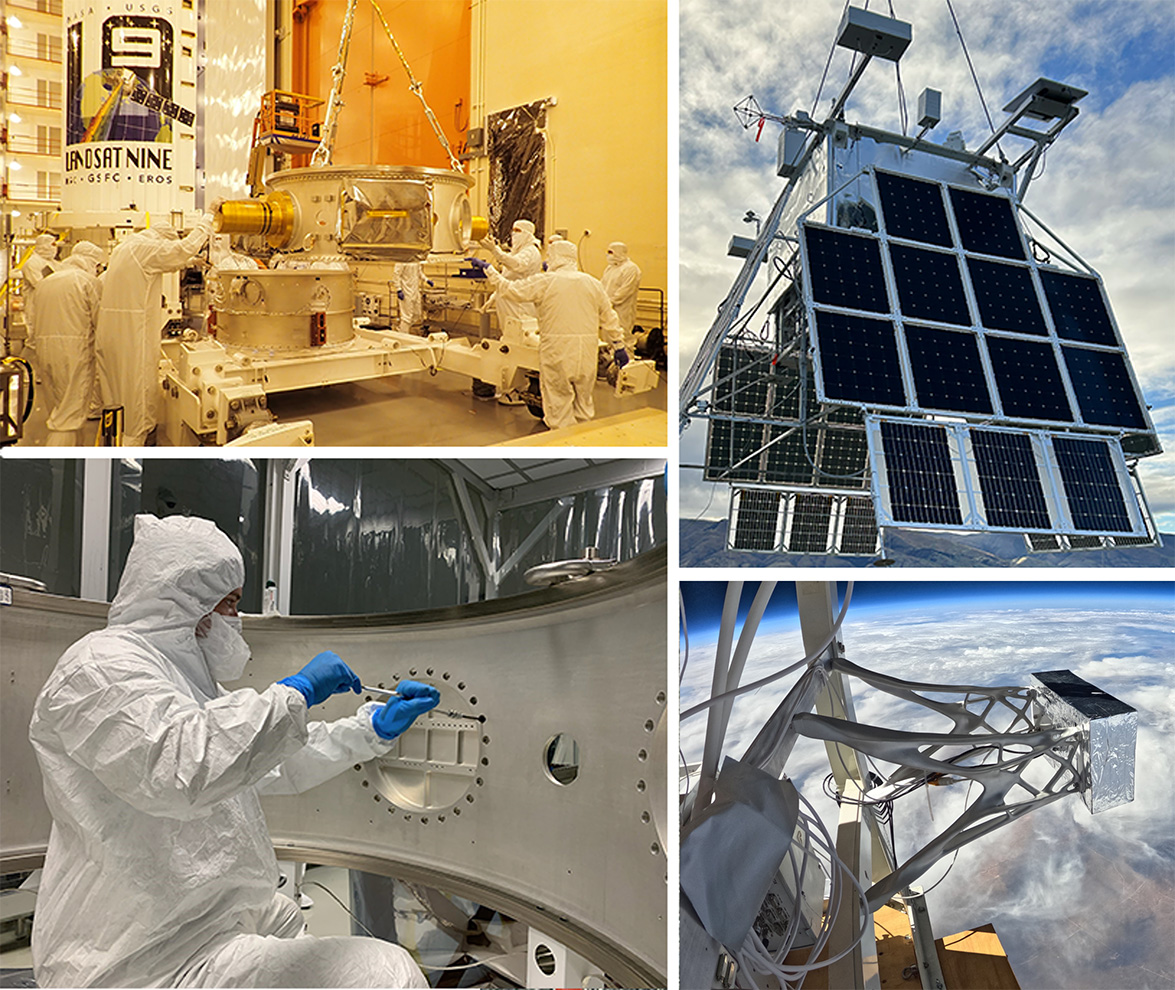
WEO develops balloon vehicle systems and integrates small payloads for Expendable Launch Vehicles (ELVs), sounding rockets, and high-altitude balloons at Wallops Flight Facility (WFF), supporting scientific research and technology demonstration missions. The team forms and leads multidisciplinary mechanical teams to support aerospace projects, developing payload mechanical systems that comply with Goddard Space Flight Center and launch vehicle requirements while serving as the technical authority on mechanical issues throughout project lifecycles. Core expertise encompasses systems engineering and design from concept through manufacturing, structural and dynamic analysis using finite element modeling and vibration testing, thermal design and analysis for space and atmospheric environments, additive and subtractive manufacturing, materials engineering and testing for aerospace applications, electromechanical systems integration, and comprehensive dynamic testing protocols. Specialized capabilities include space-qualified materials selection, mechanical interfaces design, deployment mechanisms engineering, environmental protection systems, precision mechanical systems for scientific instrumentation, and mechanical ground support equipment for payload handling and integration operations.
Electrical Engineering
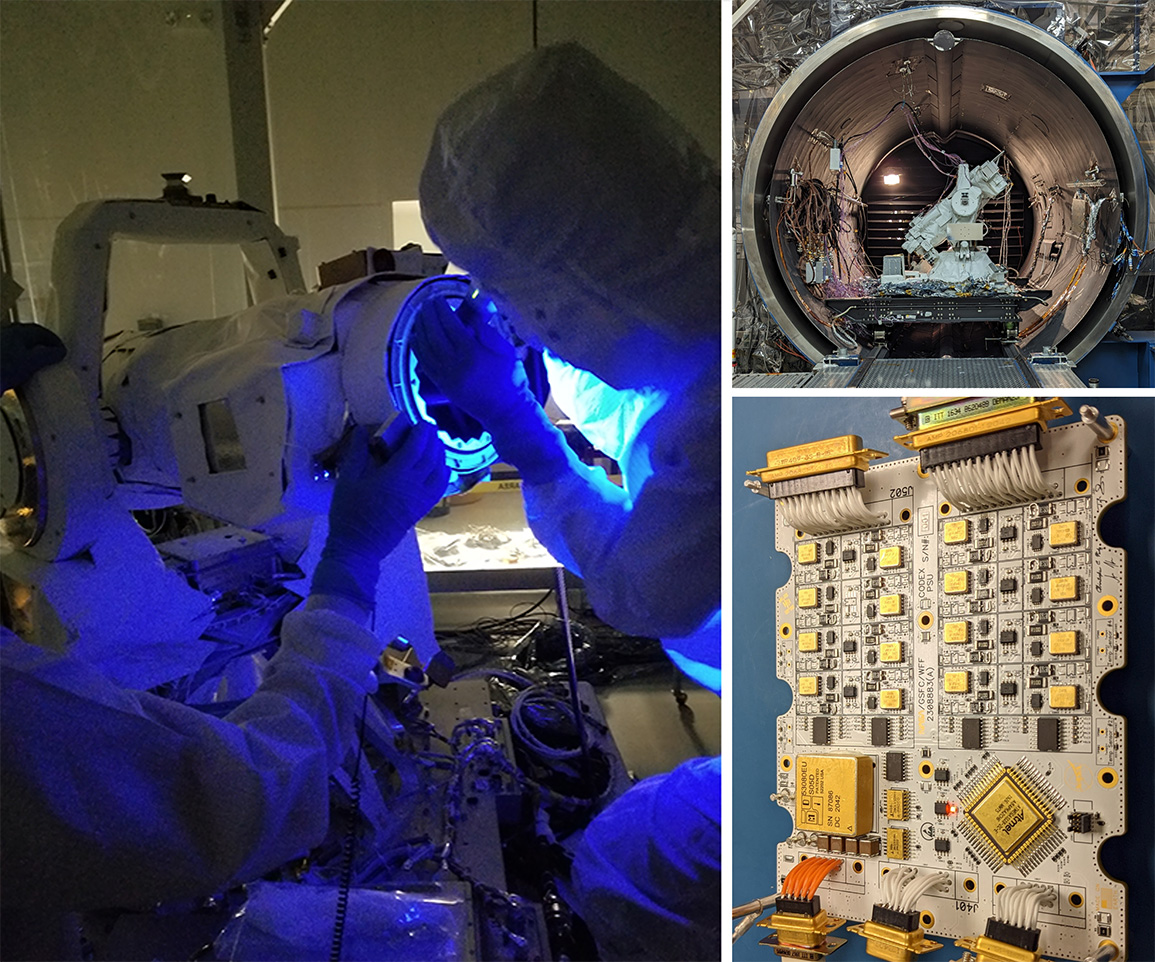
WEO handles the conception, analysis, design, development, validation, and implementation of flight electrical/electronics, communications and tracking, and electrical ground support systems for Wallops Flight Facility (WFF) missions, projects, and technology initiatives. Customers include suborbital and special projects, mission services, observational science initiatives, and other NASA programs and projects. The team provides electrical engineering expertise for flight and ground electronic instrumentation and communications & tracking for WFF expendable launch vehicles, sounding rockets, aircraft, unmanned aerial vehicles, balloons, small satellites, and special space-, air- and ocean-borne payloads. The organization designs, develops, and tests data acquisition and storage systems, power management and distribution systems, command and telemetry systems, communications and tracking systems, and pyrotechnic/mechanism control electronics. The team works with WFF program and project offices to develop electrical/electronic components/systems, conducts studies and simulations, and provides technical oversight to contractors. Capabilities include integration and test, flight harness development, space, airborne, and ground telecommunications, electromagnetic compatibility and RF interference, and ground systems implementation. Mission services include spectrum management, RF link budget analysis, and range instrumentation operation readiness.
Mission Systems Engineering and Guidance, Navigation & Control

Serving as the focal point for systems-level engineering efforts at WFF, the office acts as the primary interface for customers requiring mission systems engineering services. The team provides specialized control system expertise and comprehensive mission systems engineering leadership, integrating analytical modeling, hardware development, and software engineering disciplines into flight-worthy guidance, navigation, and control (GN&C) systems. This includes systems integration for balloons, sounding rockets, and other mission platforms, encompassing trajectory analysis, attitude control systems, navigation algorithms, and autonomous flight systems.
Data Systems and Integration
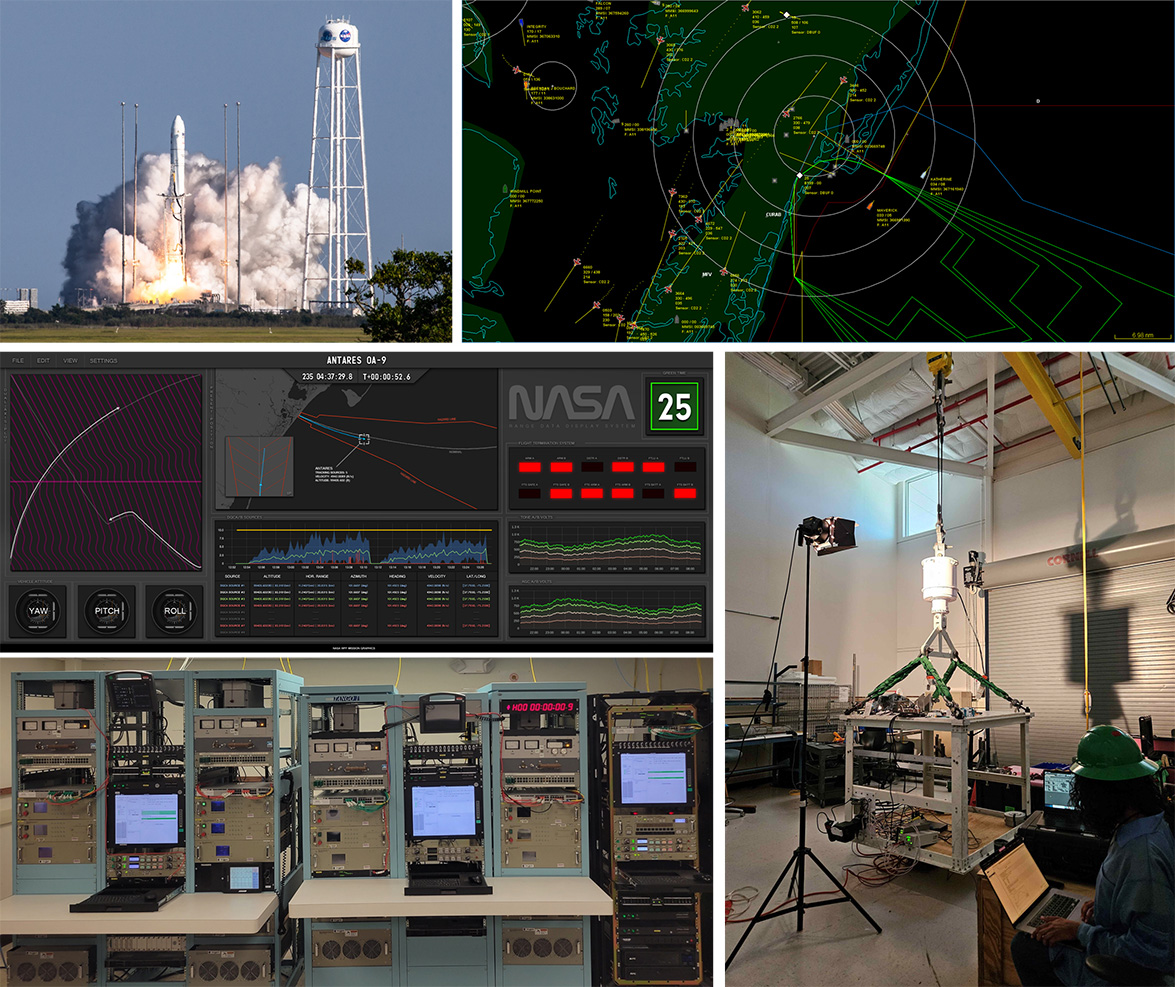
The office develops flight and ground data systems for sub-orbital and special orbital Earth and space science missions. Working collaboratively with flight projects, principal investigators, Engineering Divisions, and external organizations, the team creates integrated hardware and software solutions for comprehensive mission support. System functionality encompasses carrier vehicle monitoring, payload control and data collection, ground system monitoring and control interfaces, launch and tracking services coordination, and real-time data display and analysis capabilities. The team provides full-lifecycle support including system engineering, strategic planning, conceptualization, requirements analysis, detailed design, implementation, verification and validation, and sustaining engineering services.