
ETD Software Engineering Division
SED | Code 580
Optimizing the Future of Software Engineering
The Software Engineering Division is where innovation and precision converge to shape the digital landscape of tomorrow. Navigating the complexities of software systems to design, build, and optimize solutions that drive progress and empower NASA missions.
Software Systems Engineering and Operations Branch (581)
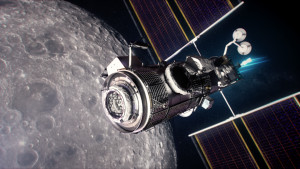
The Software Systems Engineering and Operations Branch provides comprehensive end-to-end software systems engineering expertise for the development and support of NASA missions, programs, and projects, spanning from conceptual design through implementation and maintenance of critical software systems. The branch’s personnel possess specialized knowledge across all aspects of information, communication, and technology software systems, including flight and ground software components, science data systems, and management while leading complete system development lifecycles. In support of Earth Science, Space Science Missions, and Exploration and Technology focus areas, the branch delivers operations engineering, planning, and systems validation services to ensure optimal information system operability by developing operational concepts, requirements, plans, schedules, and documentation for spacecraft operations. The branch takes full responsibility for end-to-end testing of mission systems, develops pre-launch simulations for launch and early orbit scenarios, directs Flight Operations Teams in preparation for launch and mission operations, and establishes budgets and schedules for operations functions while coordinating with other Center personnel, NASA Centers, and contractors. Additionally, this expertise provides leadership within the Integrated Design Center (IDC) to facilitate scientists and engineers in exploring new design concepts for proposed space systems, instruments, and technology applications through rapid development capabilities and efficient trade studies, while actively leading and participating in collaborative mission formulation efforts and proposals with internal Goddard partners and external organizations including other NASA Centers, universities, and industry.
Contact Code 581 Key Personnel
Flight and Ground Software Systems Branch (582)
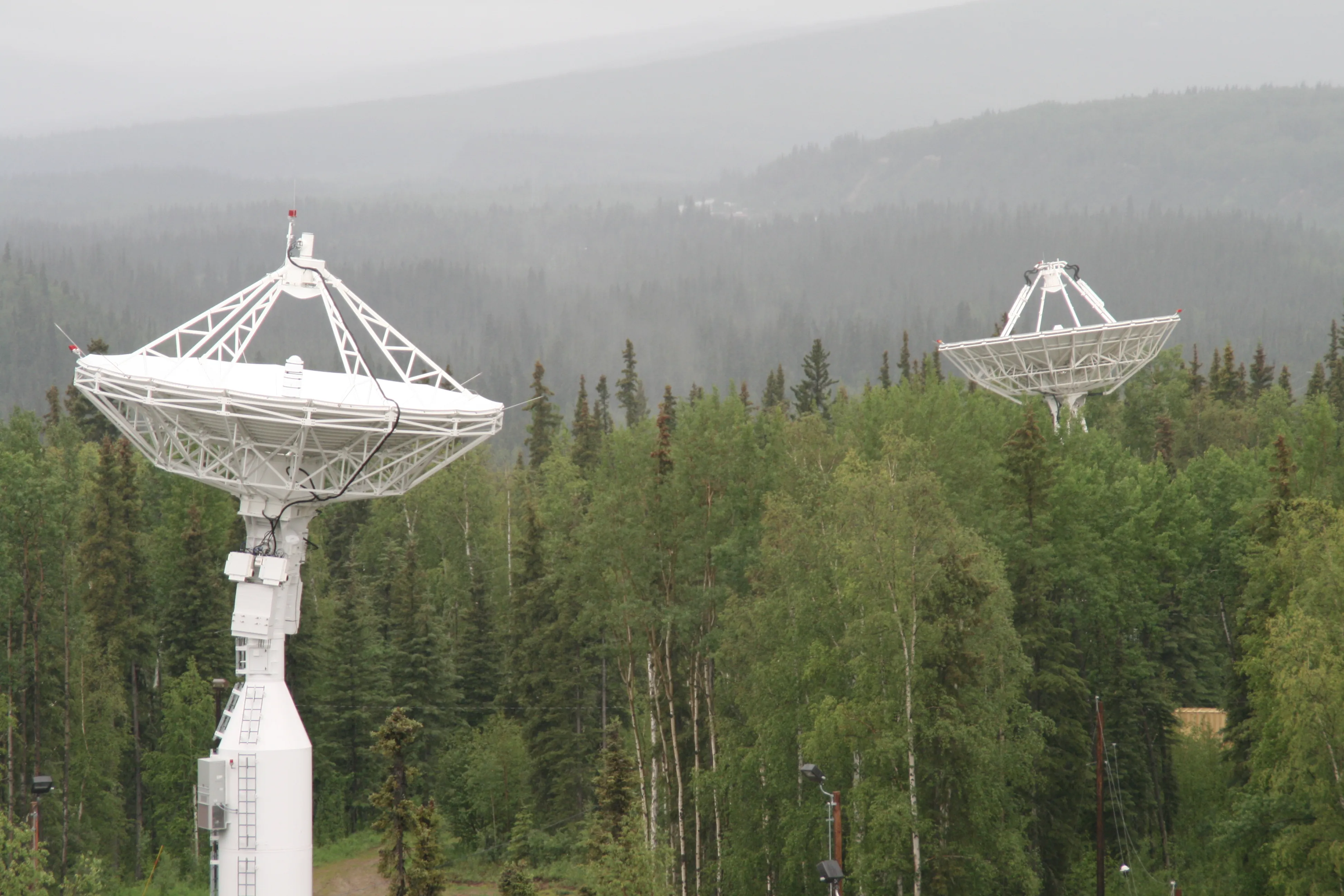
The Flight and Ground Software Systems Branch provides comprehensive flight and ground software engineering services that enable spacecraft, science instruments, and flight components to operate as integrated on-orbit science observatories through the development of on-board embedded software products and associated high-fidelity simulation test systems. The branch delivers life-cycle flight software engineering encompassing early mission formulations and designs, requirements analysis, development, verification and validation, and mission-life sustaining engineering while advancing flight hardware and software architectures, operations ground/flight interfaces, onboard autonomy, onboard science data analysis capabilities, and testbeds through prototype implementations for future missions. The branch emphasizes formalized reuse of flight software products and utilization of standards and commercially available products to reduce flight program complexities, risks, costs, and schedules. Additionally, the branch provides ground system software products and expertise for Earth and space science missions by performing requirements analysis, design, implementation, verification, validation, deployment, and sustaining engineering for ground software applications and architectures that include spacecraft command and control, flight dynamics, mission planning and scheduling, event monitoring and assessment, and telemetry trend analysis while investigating and applying state-of-the-art technologies and commercial products to ensure cost-effective solutions that optimally meet customer needs.
Contact Code 582 Key Personnel
Integrated Data Systems (583)
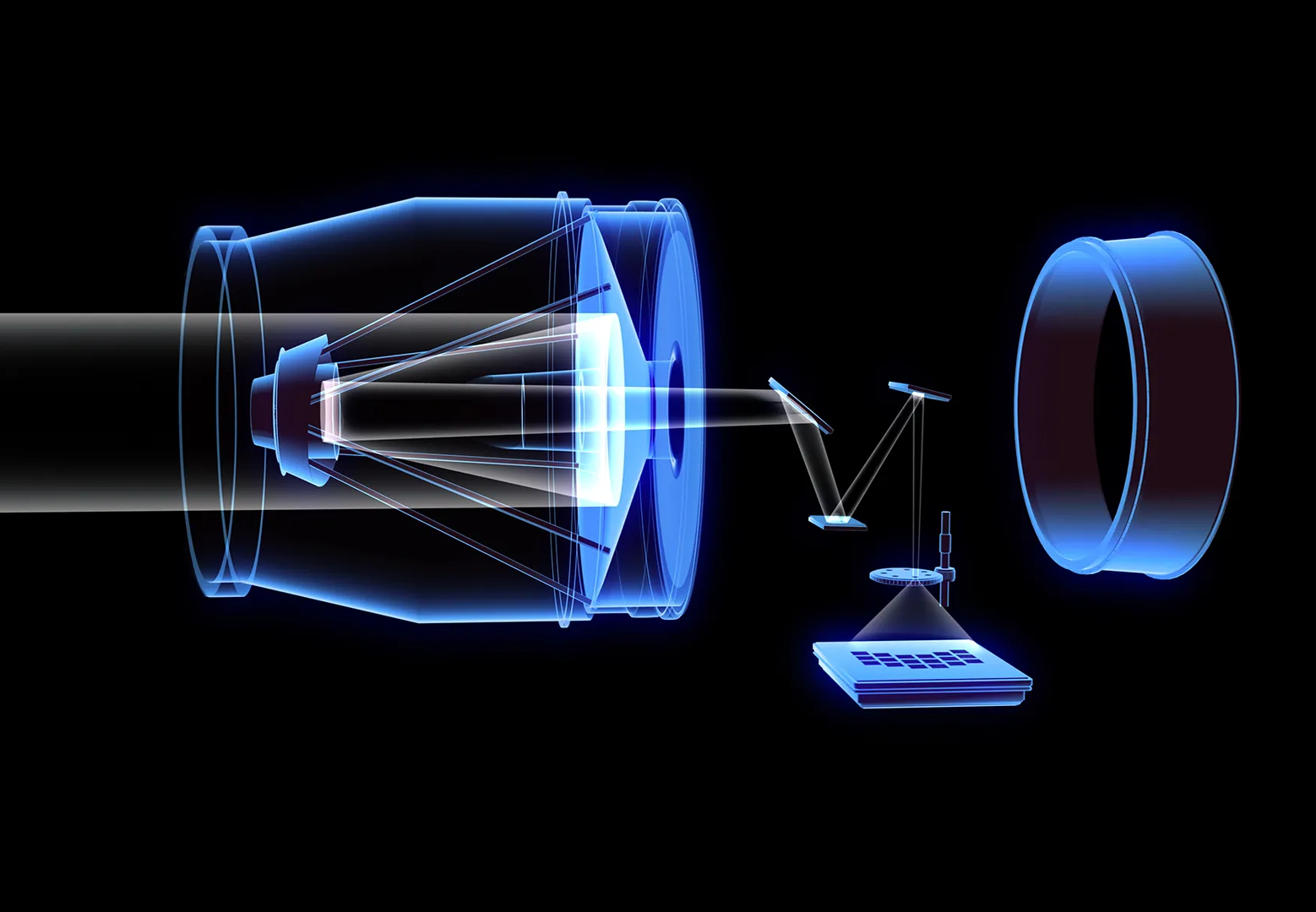
The Integrated Data Systems Branch is responsible for the comprehensive specification, design, development, installation, validation, modification, and operation of data systems that support NASA’s science and exploration missions through the acquisition, production, and distribution of data products ranging from single, small instrument data streams to complex multi-mission systems serving diverse multidisciplinary user communities. The branch supports all aspects of the science data management life-cycle including processing systems, archives, distribution systems, networking, query systems, and user interfaces while maintaining expertise in metadata definition, data formats, mass storage technologies, cost modeling, and contract management, as well as supporting evolving concepts such as virtual data systems, grid computing, distributed archives, data workflows, visual data queries, and data modeling. Additionally, the branch is responsible for designing, developing, implementing, and integrating science data processing applications and technology for flight, in-situ, and ground-based systems across all phases of instrument, spacecraft, and mission development from concept through post-mission analysis for Earth Science, Space Science, and Exploration Systems customers. The branch’s areas of expertise encompass embedded science data processing, modeling and simulation, data visualization, image and sensor data processing, sensor webs, application architectures and frameworks, automation, intelligent agents, algorithm development, data compression, distributed systems, data mining, human-computer interaction, information fusion, and the development of specialized data analysis tools.
Contact Code 583 Key Personnel
Cybersecurity & Software Technologies Branch (584)
The Cybersecurity & Software Technologies Branch provides a diverse variety of services and tools in support of activities within the Software Engineering Division (SED). Branch personnel oversee missions’ compliance with cybersecurity directives, regulations, and emergency guidelines, ensuring the protection of critical infrastructure. They drive the security strategy, manage system security plans, implement emerging technologies, and evaluate contractor performance to optimize operational resilience and cybersecurity posture. They proactively protect the confidentiality, integrity, and availability of data and systems by implementing robust security controls, maintaining a vigilant monitoring posture, and fostering a culture of cybersecurity awareness across organizations, while adhering to industry best practices and relevant federal and Agency regulations. The branch develops web-based collaborative and knowledge management systems, while deploying prototypes to foster the adoption of these systems in partnership with customer groups. The branch further provides expertise in various technologies including data services, requirements scripting, and cloud architectures.
Contact Code 584 Key Personnel